Shanghai Proton and Heavy Ion Center (SPHIC)
上海市质子重离子医院 • International Patient Service Center (国际患者服务中心)
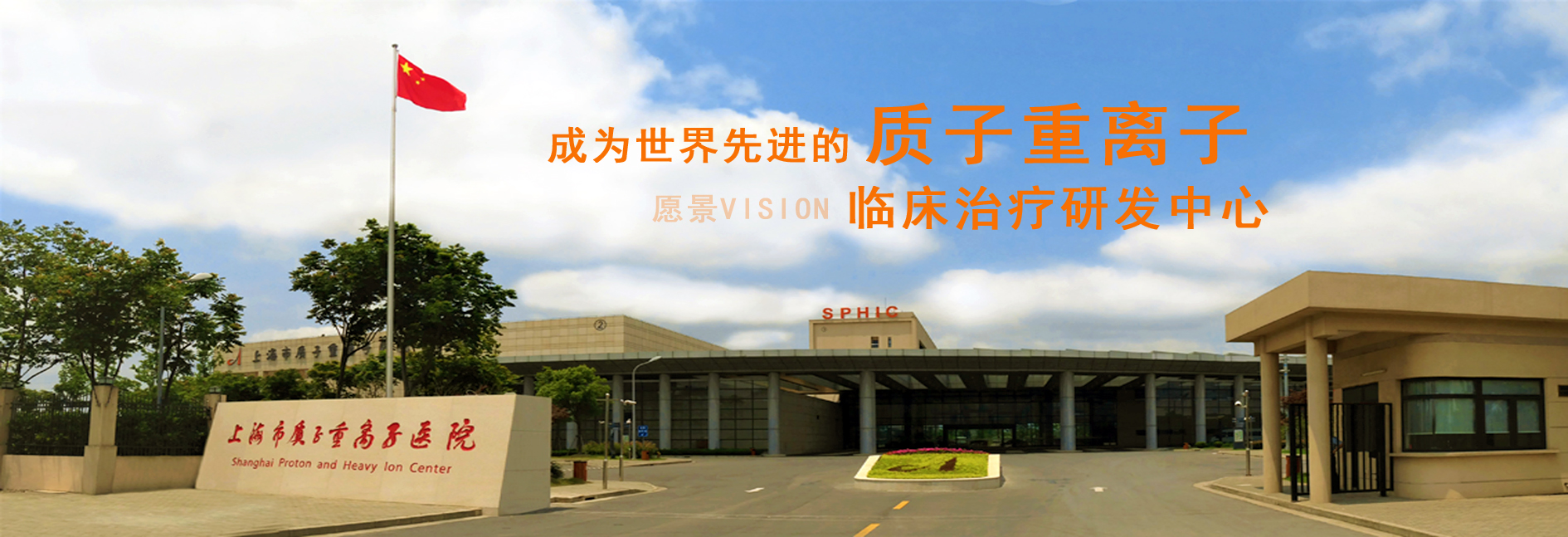
The Shanghai Proton and Heavy Ion Center (SPHIC), affiliated with Fudan University Shanghai Cancer Center in Pudong, is one of a very small number of facilities globally offering both proton and carbon-ion (heavy ion) radiotherapy under one roof. Carbon-ion beams offer higher biological effectiveness for select radioresistant tumors (chordomas, chondrosarcomas, adenoid cystic carcinoma, and select skull-base, prostate, or recurrent tumors). Foreign patients must submit raw DICOM imaging and pathology for remote medical pre-evaluation via +86-21-3829-6600 before flying, and should plan for a 4 to 6 week stay on an S2 medical visa.
Why International Patients Travel Specifically to SPHIC
While proton therapy centers exist across the US and Europe, carbon-ion (heavy ion) radiotherapy is still unavailable in the United States and exists in only a handful of countries worldwide (Japan, Germany, Italy, Austria, China). SPHIC—opened in 2015 in clinical partnership with Fudan University Shanghai Cancer Center—has treated thousands of localized and complex tumors using Siemens dual-beam ion technology.
Mandatory Remote Pre-Evaluation & 4–6 Week Logistics
- Never Fly Without Pre-Clearance: Particle therapy is not suitable for widespread metastatic disease or tumors directly invading hollow organs (such as the bowel wall) where radiation perforation risk is high. Contact
+86-21-3829-6600(sphic.org.cn) to submit your pathology, prior radiation records (crucial to calculate cumulative dose limits), and raw DICOM MRI/CT/PET-CT scans. - S2 Visa & Hotel Proximity: Because daily treatments are delivered on an outpatient basis over 4–6 weeks, obtain an S2 medical visa with SPHIC’s invitation letter and stay near the Pudong Kangxin Highway / Zhangjiang area (convenient to Pudong International Airport PVG).
- Payment: Particle courses exceed Alipay’s $5,000 cap—arrange official SWIFT wire transfer coordinates directly with SPHIC’s billing office after receiving your written treatment plan.
Proton vs. Carbon-Ion at SPHIC: Which Tumor Types Benefit Most?
| Tumor Category | Typical Particle Strategy at SPHIC | Key Clinical Advantage |
|---|---|---|
| Chordoma, Chondrosarcoma & Radioresistant Sarcomas | Carbon-Ion (Heavy Ion) | High Linear Energy Transfer (LET) breaks double-strand DNA in hypoxic, radioresistant tumors |
| Skull-Base, Nasopharyngeal & Adenoid Cystic Carcinoma | Carbon-Ion or Combined Proton + Carbon-Ion | Sharp Bragg-peak dose drop-off spares optic nerves, brainstem & salivary glands |
| Localized Prostate, Early Lung & Liver Tumors | Proton or Carbon-Ion | Non-invasive alternative when surgery is high-risk; shorter 10–20 fraction schedules |
Honest Pros, Cons & Limitations
| Strengths for Foreign Patients | Realistic Friction & Limitations |
|---|---|
| One of very few dual proton + carbon-ion centers globally (carbon-ion unavailable in the US) | Not suitable for widespread metastatic disease or tumors invading hollow bowel walls |
| Roughly 40%–60% lower cost than US proton therapy ($40k–$65k vs. $80k–$150k+) | Requires 4–6 week stay in Pudong on an S2 medical visa & mandatory remote DICOM pre-review |
| Located immediately next to FUSCC Pudong for combined oncology MDT | Primarily self-pay via SWIFT wire; confirm any IPMI coverage case-by-case beforehand |
Frequently Asked Questions
What is the difference between proton therapy and carbon-ion (heavy ion) therapy at SPHIC?
Both deliver ultra-precise Bragg-peak radiation that spares healthy surrounding organs. Carbon-ion beams are physically heavier and deliver higher Linear Energy Transfer (LET), making them particularly valuable for slow-growing, hypoxic, or radioresistant tumors (such as chordomas, sarcomas, and adenoid cystic carcinoma) that respond poorly to conventional photon or standard proton beams.
How long does a full treatment course at SPHIC take?
Plan for 4 to 6 weeks in Shanghai: roughly 1 to 2 weeks for on-site CT/MRI simulation, custom immobilization masks, and radiation physics planning, followed by 2 to 4 weeks of daily outpatient beam fractions (typically 10–25 sessions depending on protocol).