Beijing Tiantan Hospital
首都医科大学附属北京天坛医院 • International Medical Department (国际医疗部)
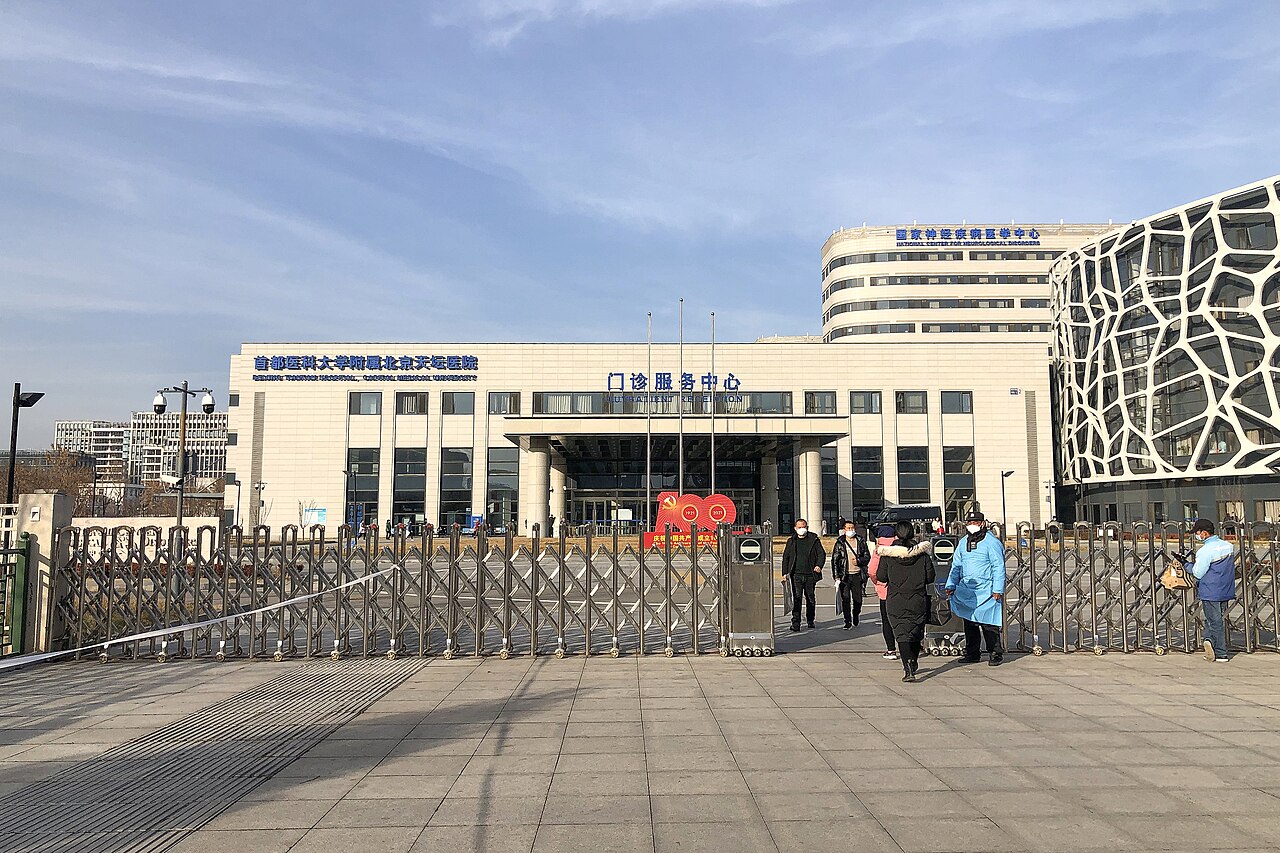
Beijing Tiantan Hospital is China's National Center for Neurological Diseases and stands alongside Shanghai's Huashan Hospital as the nation's #1-tier authority in Neurosurgery and Neurology. Operating from a modern flagship campus in Fengtai District, Tiantan manages massive volumes of brain tumors (glioma, meningioma, skull-base, pituitary), cerebrovascular aneurysms/AVMs, refractory epilepsy, and Parkinson's Deep Brain Stimulation (DBS). Foreign passport holders can inquire via +86-10-59976611 and must bring uncompressed raw DICOM brain/spine MRIs for specialist review.
Institutional Standing & National Neurological Leadership
Designated as China’s National Center for Neurological Diseases and ranked in the Fudan A+++ tier, Beijing Tiantan Hospital (北京天坛医院) is world-famous for neurosurgical case volume and clinical neuroscience research:
- Brain & Skull-Base Oncology (#1-Tier): Gliomas, acoustic neuromas (vestibular schwannomas), pituitary adenomas, craniopharyngiomas, and complex skull-base meningiomas.
- Neurology & Cerebrovascular Disease (#1 in China): China’s flagship stroke research center, complex cerebral aneurysms/AVMs, refractory epilepsy surgery, and Parkinson’s Deep Brain Stimulation (DBS).
- Modern Flagship Infrastructure: Unlike older cramped downtown hospitals, Tiantan’s new Fengtai campus features spacious surgical suites, intraoperative MRI, and modern inpatient facilities.
Booking, Imaging & Inpatient Realities for Foreigners
- Phone Routing: Call
+86-10-59976611to connect with the International Medical Department or Special-Needs VIP clinic; bring your original physical passport for profile creation (jiandang). - Mandatory Raw DICOM Package: Neurosurgeons will not rely on printed JPEGs—bring full uncompressed
.dcmMRI/MRA/CT scans on USB/CD plus prior biopsy pathology and seizure/medication logs. - Inpatient & Recovery Planning: For scheduled craniotomy or spine surgery, apply for an S2 medical visa with a red-seal hospital invitation letter, confirm SWIFT wire deposit coordinates, notify the team early if you have Rh-negative blood, and budget for post-op neuro-monitoring plus 3–7 business days post-discharge for archived inpatient records.
Honest Pros, Cons & Limitations
| Strengths for Foreign Patients | Realistic Friction & Limitations |
|---|---|
| China’s National Center for Neurological Diseases (#1-tier neurosurgery/neurology) | Less English email/self-service infrastructure than Shanghai Huashan WMC |
| Spacious modern Fengtai campus with intraoperative MRI & advanced neuro-ICU | Itemized English self-pay fee schedules are not posted publicly online |
| Rapid 3.0T brain/spine MRI & EMG/EEG turnaround (1–3 days) | Post-craniotomy air travel requires strict neurosurgical fit-to-fly clearance |
Frequently Asked Questions
How does Beijing Tiantan Hospital compare with Shanghai Huashan Hospital for neurosurgery?
Both sit at the very apex of Chinese neurosurgery and neurology. Tiantan is the National Center for Neurological Diseases in Beijing (with massive cerebrovascular, glioma, and stroke leadership), while Huashan WMC in Shanghai offers a more established English email booking workflow (hwmc@huashan.org.cn) and 30+ direct-billing insurers.
What imaging format do Tiantan neurosurgeons require?
Bring full uncompressed raw DICOM brain/spine MRI and MRA/DSA files on USB or CD (with contrast T1/T2/FLAIR sequences intact) plus written radiology and prior pathology reports.